

Wild Vine – Anaerobic Haraz Yemeni Coffee
About 22 cups · $1.73 a cup
Auto-renews until you cancel. Skip or cancel anytime from your account. View Coffee Club policy
Tastes like: Juicy · Strawberry · Apple
- Region
- Haraz, Yemen
- Elevation
- 1,950–2,300 m
- Process
- Anaerobic (fermented in sealed, oxygen-free tanks, then dried)
- Roast
- Medium
Pick this if: you love bold, fruity coffees and want something out of the ordinary. Prefer a classic Yemeni cup? Try Cloud Terrace.
Read the full story ↓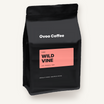
Fermented without air
Most Yemeni coffee is dried in its fruit under the sun. This one takes an extra step first: the cherries rest in sealed tanks with no oxygen, a method called anaerobic fermentation.
Without air, the fermentation runs slowly and differently, and it brings out the bold, fruity flavors this coffee is known for.
The cherries come from the high terraces of Haraz, west of Sana'a, at up to 2,300 meters. Roasted medium, it's bright and bold: a juicy start, ripe strawberry in the middle and a crisp apple finish.
Rare by nature.
Yemeni coffee is one of the rarest in the world. It grows on high mountain terraces between 1,900 and 2,300 meters, tended by small family farms that pick every cherry by hand, much as they have for centuries. Because it's gathered in small lots from harvest to harvest, each season leaves its own quiet signature, and every now and then you may discover a subtle new nuance in your cup. It's the mark of a coffee shaped by nature, not by a factory, and part of what makes Yemeni coffee so special.
What does Wild Vine taste like?
From the high terraces of Haraz, at 1,950 to 2,300 meters, and fermented in sealed tanks before drying. Juicy and bold, with ripe strawberry and crisp apple. Our most adventurous Yemeni coffee.
- Juicy
- Strawberry
- Apple
How to brew Wild Vine at home
Pour over One mug
- Coffee
- 15 g
- Water
- 240 g
- Water temp
- 200°F (93°C)
- Time
- About 3 min
French press One mug
- Coffee
- 15 g
- Water
- 240 g
- Water temp
- 200°F (93°C)
- Steep
- About 4 min
Why Yemeni coffee is different
- Where coffee beganCoffee's story on record begins in Yemen. In the 1400s, Sufi communities in its mountains drank coffee to stay alert through long nights of prayer. Yemen was also the first place to farm coffee as a crop.
- Grown by hand on stone terracesYemeni farmers still grow it on hand-built stone terraces, mostly on small family farms. The average farmer works about 0.3 hectares, less than an acre, and every cherry is picked by hand.
- Dried the old wayMost Yemeni coffee is dried in the whole fruit, under the sun, some on village rooftops for up to 24 days.
Why might my Yemeni coffee taste slightly different from time to time?
Yemeni coffee is grown by small family farms on high mountain terraces and gathered in small lots from harvest to harvest, so each season leaves its own quiet signature. Every now and then you may notice a subtle new nuance in your cup, while each coffee's character stays true. It's the natural mark of a rare coffee shaped by nature, not by a factory.
What makes Yemeni coffee special?
Yemen is where coffee was first farmed and brewed. Its coffee grows on high mountain terraces, is picked by hand and dried whole in the sun, which gives it deep, fruity and chocolatey flavors you won't find anywhere else. It is also rare: Yemen produces a tiny share of the world's coffee.
Whole bean or ground?
Whole bean stays fresh longest. If you don't have a grinder, choose your brew method (drip, pour over, French press, cold brew, espresso or moka pot) and we'll grind it for you.
How long does shipping take?
Every bag is roasted to order and ships within 1–2 business days. Delivery in the US takes 4–7 business days.
How should I store my coffee?
Keep the bag sealed in a cool, dark place. Don't put it in the fridge. For the best flavor, enjoy it within a few weeks of opening.